|
|
|
1. What's a Grater?
It's basically a kitchen gadget that helps you shred, grate, zest or slice food. It has a rough metal surface with sharp holes or blades. You rub food on it to make smaller pieces, which is great for cooking faster, getting the right texture, and making food taste better.
2. What Can You Do With a Grater?
You can do tons of food prep with them! Think of it like this:
* Veggies: Carrots, cucumber, radishes, zucchini, potatoes—you name it.
* Cheese: Hard stuff like parmesan for sure, but also softer cheeses like cheddar.
* Fruits: Apples, lemons, oranges. Zest those citrus fruits!
* Spices and Herbs: Nutmeg, ginger, garlic, and any fresh herbs you like.
* Chocolate: Yummy desserts, pretty decorations.
* Nuts: Almonds, walnuts—perfect for baking or topping things.
* Bread & Cakes: Turn old bread into breadcrumbs, or prettify cakes.
3. Different Kinds of Graters
Graters come in all different shapes and sizes, and they all do slightly things.
a. Box Grater
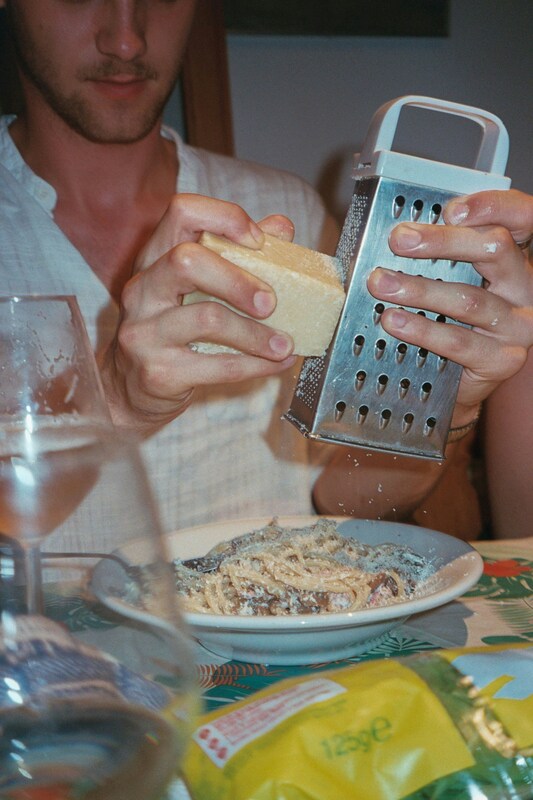
It has four sides with different grating textures (coarse, fine, slicing, zesting). It can deal with hard and soft foods.
b. Flat Grater
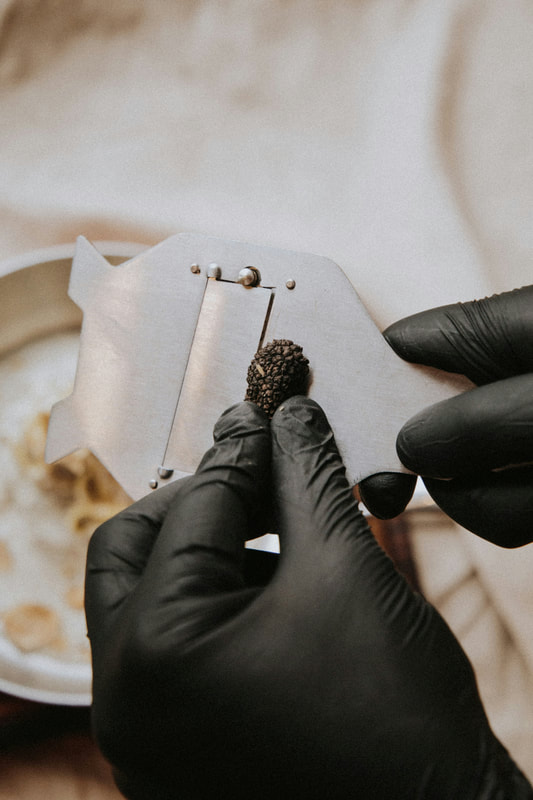
It's a sheet thing with holes.
It's light, easy to store, good for small jobs.
c. Microplane Grater
Has really sharp blades.
It's great for zesting citrus or grating nutmeg super fine.
d. Rotary or Drum Grater
It has a round drum thing that grates, and you turn it with a handle. Good for cheese and veggies. Keeps your fingers safe!
e. Electric Grater
It's like a motorized grater, and it helps you to grate cheese, veggies, and nuts fastly. Perfect for bulk prep, saves your hand!
f. Specialty Graters
Zesters: Thin grating for citrus peels.
Ginger/garlic graters: Small surface for ginger or garlic.
Nut graters: Designed for hard nuts and seeds.
4. What Are Graters Made Of?
Most graters are made of these materials:
Stainless Steel: strong, won't rust, great for any food.
Plastic: light, uses with stainless steel blades.
Ceramic: long-lasting blades, needs to be handled carefully.
Wooden Frames with Metal Blades: it's strong but takes up room.
5. Choosing the Best Grater
Consider these while selecting a grater:
Purpose: fine grating? Coarse shredding? Zesting?
Size: small for small kitchens; select the box size for multiple purposes.
Material: stainless steel is strong plastic is light and easy.
Safety when using, handle non-slip base
Easy cleaning options
6. Stay Safe!
Always grate away from your fingers.
Use safety guards so you don't cut yourself.
keep your graters stable.
Store graters safely.
7. Cleaning
Rinse immediately after using.
Use special brushes to take extra bits.
Don't use stuff for scrubbing.
Dry completely before storing.
Some graters use dishwashers; check the material first.
8. Grating Tips
Chill hard foods like cheese or something before grating.
Put pressure consistently.
Make you only grate the colored part of the peal it might taste bitter.
Move the food around to have great blade contact.
For sticky/soft foods, oil the blades.
9. Storage
Flat Graters can be stored in drawers while using a hook.
Box Graters can be stored in cabinets.
Rotary Graters store in a protected box to avoid accidents.
10. Basically...
Graters are important for cheese, veggies and more. Select the grater for your needs, safety and maintenance can help your cooking. They are a great tool for food prep and can make the food prep easy.
It's basically a kitchen gadget that helps you shred, grate, zest or slice food. It has a rough metal surface with sharp holes or blades. You rub food on it to make smaller pieces, which is great for cooking faster, getting the right texture, and making food taste better.
2. What Can You Do With a Grater?
You can do tons of food prep with them! Think of it like this:
* Veggies: Carrots, cucumber, radishes, zucchini, potatoes—you name it.
* Cheese: Hard stuff like parmesan for sure, but also softer cheeses like cheddar.
* Fruits: Apples, lemons, oranges. Zest those citrus fruits!
* Spices and Herbs: Nutmeg, ginger, garlic, and any fresh herbs you like.
* Chocolate: Yummy desserts, pretty decorations.
* Nuts: Almonds, walnuts—perfect for baking or topping things.
* Bread & Cakes: Turn old bread into breadcrumbs, or prettify cakes.
3. Different Kinds of Graters
Graters come in all different shapes and sizes, and they all do slightly things.
a. Box Grater
It has four sides with different grating textures (coarse, fine, slicing, zesting). It can deal with hard and soft foods.
b. Flat Grater
It's a sheet thing with holes.
It's light, easy to store, good for small jobs.
c. Microplane Grater
Has really sharp blades.
It's great for zesting citrus or grating nutmeg super fine.
d. Rotary or Drum Grater
It has a round drum thing that grates, and you turn it with a handle. Good for cheese and veggies. Keeps your fingers safe!
e. Electric Grater
It's like a motorized grater, and it helps you to grate cheese, veggies, and nuts fastly. Perfect for bulk prep, saves your hand!
f. Specialty Graters
Zesters: Thin grating for citrus peels.
Ginger/garlic graters: Small surface for ginger or garlic.
Nut graters: Designed for hard nuts and seeds.
4. What Are Graters Made Of?
Most graters are made of these materials:
Stainless Steel: strong, won't rust, great for any food.
Plastic: light, uses with stainless steel blades.
Ceramic: long-lasting blades, needs to be handled carefully.
Wooden Frames with Metal Blades: it's strong but takes up room.
5. Choosing the Best Grater
Consider these while selecting a grater:
Purpose: fine grating? Coarse shredding? Zesting?
Size: small for small kitchens; select the box size for multiple purposes.
Material: stainless steel is strong plastic is light and easy.
Safety when using, handle non-slip base
Easy cleaning options
6. Stay Safe!
Always grate away from your fingers.
Use safety guards so you don't cut yourself.
keep your graters stable.
Store graters safely.
7. Cleaning
Rinse immediately after using.
Use special brushes to take extra bits.
Don't use stuff for scrubbing.
Dry completely before storing.
Some graters use dishwashers; check the material first.
8. Grating Tips
Chill hard foods like cheese or something before grating.
Put pressure consistently.
Make you only grate the colored part of the peal it might taste bitter.
Move the food around to have great blade contact.
For sticky/soft foods, oil the blades.
9. Storage
Flat Graters can be stored in drawers while using a hook.
Box Graters can be stored in cabinets.
Rotary Graters store in a protected box to avoid accidents.
10. Basically...
Graters are important for cheese, veggies and more. Select the grater for your needs, safety and maintenance can help your cooking. They are a great tool for food prep and can make the food prep easy.